


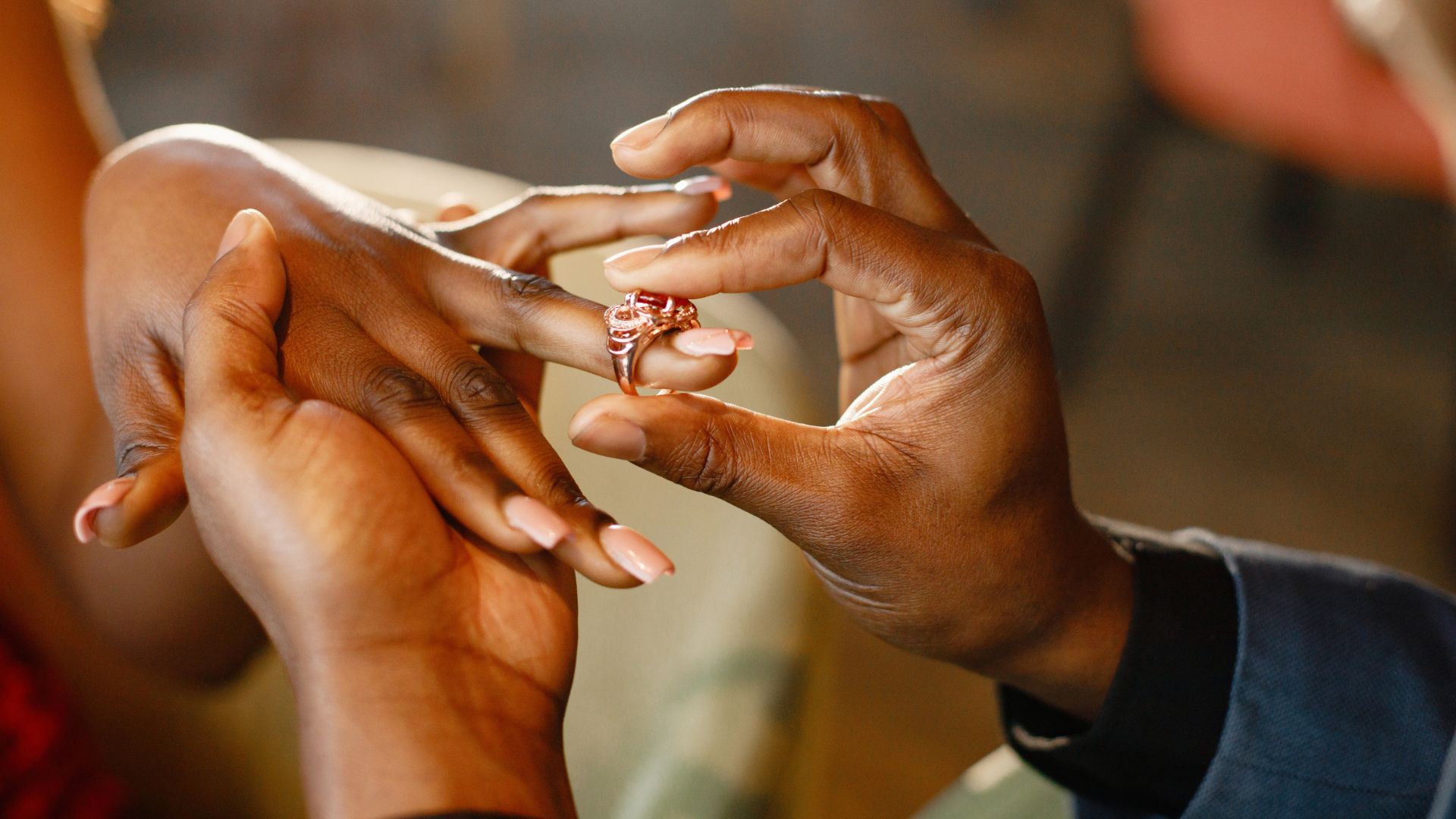
Lobola, also known as bride wealth or dowry, is often shrouded in mystery for those unfamiliar with the custom. This ancient practice serves as a financial transaction for both customary and contemporary marriages. It involves the exchange of symbolic gifts from the groom's family to the bride's and holds deep cultural and legal significance. But what does South African law say about lobola?
Is lobola legally binding?
While not explicitly mentioned in legislation, lobola plays a crucial role in customary marriages in South Africa. It's recognised as prima facie evidence of a valid customary marriage, meaning successful negotiations and payment can be seen as proof of the union. However, it's crucial to remember that lobola is not a purchase of the bride. It signifies respect, formalises the union, and acknowledges the bride's family's role in the marriage.
Customary law vs. civil law
South Africa recognises both customary and civil law systems. While civil marriages are governed by the Marriages Act 25 of 1961 and the Civil Union Act, customary marriages fall under the Recognition of Customary Marriages Act. This act acknowledges lobola as part of the customary marriage process, albeit not explicitly defining its legal implications.
Legal considerations
The stage for legal consideration is set before negotiations even begin. Both the bride and groom must be legal adults, 18 years or older, and possess the mental capacity to consent to marriage. Parental consent becomes the opening act if either party is a minor. Additionally, the negotiations must adhere to the specific customary law of the involved communities, ensuring all steps resonate with established traditions.
Negotiations
As families enter the lobola negotiation, representatives are appointed to advocate for their respective interests. Traditionally, the bride's father and the groom's father, or a designated male relative, take centre stage. But remember, good faith is the key to unlocking progress. Negotiations must be conducted with mutual respect and understanding, fostering an atmosphere of collaboration rather than confrontation.
Transparency becomes the guiding light, illuminating the path to a legal agreement. The amount of lobola, how it will be paid (whether in cattle, cash, or alternative forms), and any additional conditions must be clearly documented and agreed upon by both parties. This written record serves as a legal touchstone, solidifying the terms and preventing future misunderstandings.
Ensuring fairness and respect
Legality in lobola negotiations also hinges on a fundamental principle: freedom from coercion. Both families must be free from threats, intimidation, or undue influence. The lobola amount itself should be determined with fairness and reasonableness, considering the groom's family's financial capabilities and the bride's value and contribution to the marriage. Remember, lobola is not a price tag attached to the brite; it's a symbolic recognition of her worth and her family's role in the union.
Consequences of misguided steps
Should consent be breached, or negotiations be tainted by coercion, the entire marriage could be deemed invalid in the eyes of the law. Similarly, an excessively high lobola amount, placing undue financial burden on the groom's family, could be challenged in court. Additionally, if the agreed-upon lobola remains unpaid, legal action might be taken to ensure fulfilment of the agreed terms.
Modern interpretations
As times evolve, so too does the fabric of lobola negotiations. The bride's agency and involvement take centre stage in modern interpretations, empowering her to participate actively in shaping the terms of the union. Couples might also explore alternative forms of lobola, such as education funds or contributions towards the wedding, reflecting their values and financial realities.
Also, to safeguard individual rights further, pre-nuptial agreements are gaining traction. These agreements can clarify financial responsibilities and rights within the marriage, potentially addressing concerns about lobola distribution or division of assets in the event of a separation.
Beyond the law
While legal aspects are important, understanding lobola goes beyond the statutes. It's a cultural practice steeped in tradition, symbolising respect for the bride's family, recognition of lineage, and establishing a foundation for the marriage. It's also an opportunity for families to come together, build relationships, and share cultural values.
Respecting traditions
For those unfamiliar with lobola, it's vital to approach it with respect and understanding. Open communication with your partner and their family is key to navigating the process smoothly and ensuring a culturally sensitive experience.
Reasons for lobola return
The return of lobola after a customary marriage ends is a complex issue, heavily influenced by the specific circumstances of the separation and the prevailing customary law applicable to the families involved.
Husband's fault: If the husband is deemed responsible for the marriage breakdown through actions like adultery, abuse, or desertion, he may not be entitled to a refund of the lobola.
Wife's fault: In cases where the wife is primarily responsible for the separation, like through adultery or abandonment, the husband might be entitled to a full or partial refund, depending on the severity of her actions and the specific customs.
Mutual agreement: If both parties mutually agree to end the marriage, or share responsibility for the breakdown, the question of lobola return will be negotiated between the families. Factors like the length of the marriage, the number of children, and any existing contributions made by the husband might be considered.
Death of a spouse: In some cases, customary law dictates that lobola be partially or fully returned if the spouse passes away before divorce. However, specific rules and practices vary depending on the community and cultural norms.
Conclusion
Lobola is a complex and multifaceted practice with legal and cultural significance. To learn more about South African law, you can enrol for practical legal training at the Gawie le Roux Institute of Law.