


There has been an increasing and concerning tendency where Testators/Testatrixes decide to either draft a will themselves, use templates available on the internet, use the will of another individual as a guideline, or purchase a fillable will template for as little as R80.00. This might be due to various reasons, but the consequences for your loved ones can be far-reaching after your passing.
This blog explores the dangers of using “copy and paste” or generic will templates instead of a professionally drafted will. Let’s discuss what a valid will should include to ensure your loved ones are taken care of after your passing.
What is a will?
A will is a legal written document of a person’s last wishes and instructions as to how his/her estate is to be distributed after their passing and who must be appointed as Executor and Trustee. It can also include a person’s wishes about their funeral and burial, and instructions can also be given regarding the care of dependants.
What constitutes a valid will?
To simply express one’s wishes verbally or write them down is not enough. The Wills Act (Act 7 of 1953) sets out the requirements and formalities for a will to be regarded as valid. The requirements include:
- The person making the will must be at least 16 (sixteen) years old and be of sound mind. He/she must also be able to understand the nature and effect of the proceedings as well as the consequences thereof.
- The will must be in writing.
- The Testator/Testatrix must sign the will on the last page (at the end of the will), and if the will consists of more than one page, each page must be signed.
- Two competent witnesses (who are of sound mind and at least 14 (fourteen) years old) must sign the will in the presence of the Testator/Testatrix and each other. Neither an heir, legatee, executor, nor trustee is allowed to sign as a witness.
- While it is not necessarily a requirement, it is recommended that the place where and date when the will was signed also be included to avoid any disputes that might arise when ascertaining which will was the deceased’s last will.
- If a Testator/Testatrix is not able to sign the will and the signature is done either by way of making a mark or a fingerprint, a commissioner of oaths must be present and attach a certificate to confirm the identity of the Testator/Testatrix.
The implications of not having a will drafted by a professional
Although, for all practical purposes, a person can draft his/her own will, extreme caution must be taken as there are certain requirements that a will needs to adhere to, to be regarded as a valid will. There are also certain clauses that are essential to ensure that the administration of the estate can commence without any obstacles or disputes.
Some problems with self-drafted or template wills that often cause great frustration for heirs, executors, and loved ones are:
- No clauses regarding the inheritance, bequests, or how the estate is supposed to devolve and assets be divided – Only an Executor has been nominated.
- This results in the deceased’s assets being distributed according to the Intestate Law of Succession. - An Executor has been nominated, but no provision has been made for the Master’s Office to dispense with the obligation of providing surety/security.
- Although there are institutions that promptly assist with a bond of surety, this can cause delays in the reporting of the estate, and also leads to higher administration costs as the yearly premiums are paid from the cash in the estate. - Provision has not been made to exclude inheritance from the matrimonial regime (marriages in community of property).
- If the Testator/Testatrix did not explicitly state in his/her will that the inheritance received will be excluded from matrimonial property, it will unfortunately form part of the communal estate, and the spouse will also share in and have a claim for the inheritance. - No provision was made for a Testamentary Trust for minor or incapacitated heirs.
- It is usually recommended that a Testamentary Trust be created in instances where the heirs are still minors (under the age of 18) or if the heirs are not capable of dealing with their own affairs. The Testator/Testatrix has the power to create a trust, appoint a Trustee, choose the age at which an heir may receive their full inheritance (for minors), and/or decide which amount an heir is to receive for his/her well-being and maintenance – this allows for better control over the assets. - Bequests/clauses are often difficult to execute or completely unenforceable.
- This also causes delays in the administration process and can also result in an heir not receiving the inheritance the Testator/Testatrix intended. If a clause is unclear, unenforceable, or difficult to execute, it might also be disregarded and be regarded as completely invalid.
Important clauses to incorporate in a will
- Executor/Trustee: It is recommended that a trustworthy person be appointed as Executor or Trustee. It might be best to consider appointing an independent third party with sufficient experience in the administration of estates and related matters. Something also worth considering is appointing more than one Executor/Trustee or an alternative Executor/Trustee, should the initially appointed person/institution not be able to take appointment.
- Surety: It is important to direct the Master’s Office to dispense with the obligation of providing surety, for the administration of the estate to commence as soon as possible, and to lower the administration costs.
- Bequests: The Testator/Testatrix's wishes, instructions, and intentions must be very clear as to the division of the estate and distribution of assets, to avoid any uncertainty and unnecessary disputes.
- Exclusion from Matrimonial Regime: Including this clause in a will “protects” an heir’s inheritance, as the spouse cannot claim the inheritance or benefit from the inheritance.
It is important to note that instructions, wishes, and bequests cannot be illegal or contra bonos mores (against good morals or contrary to good customs) or unenforceable.
It is highly recommended that a Testator/Testatrix consider the creation of a Trust for heirs who are minors or incapable of managing their own affairs, as it allows for greater peace of mind knowing that dependants are taken care of and their inheritance is properly managed for their best interest. Should no provision be made for a Trust, the inheritance will be transferred and managed by the Guardian’s Fund at the Master’s Office.
General dos and don'ts
- Do proper research before approaching an institution or person for the drafting of a will – make sure it is a credible and established institution and that the person is knowledgeable to advise accordingly. Make sure you understand the contents of your will and that it indeed expresses your wishes.
- When reporting a deceased estate to the Master of the High Court, the original will must be lodged along with the necessary reporting documents. It is important to keep your original will in a safe place – institutions often have the option to store a will in safekeeping with them. If the original will is lost or cannot be found, the deceased’s assets will be distributed in terms of the Intestate Succession Act (Act 81 of 1987).
- It remains the decision of the Testator/Testatrix whether they want to inform heirs and/or loved ones of the will. It is recommended that the Testator/Testatrix make an informed decision as to the information he/she make available and give access to the will, as some individuals might have malicious intentions and will falsify wills and/or signatures.
- The most common misconception is that “it will cost money when you have a will”. Irrespective of whether the deceased had a will or not, the administration and finalisation of the estate must still be done, and the administration costs will often be the same. In certain instances, delays are caused when the deceased did not leave a will (or did not have a valid will). It is best to consult with a professional who can also advise on the costs associated with the administration of an estate and also make proper provision by way of estate planning.
Conclusion
It is always best to consult with a professional with the necessary expertise and experience to draft your will and also obtain the necessary advice regarding your estate and/or estate planning to ensure proper provision is made. Disputes and court cases can be avoided entirely, and the administration can commence effortlessly, without any unnecessary and undue delays.
Don’t just have your will drafted. Take proper precautions, consult with a professional, and plan for the future. The Gawie le Roux Institute of Law has trained hundreds of legal professionals who have the expertise to draft a valid will. Consult with a professional to get your affairs in order.
Frequently asked questions
Why is it important to have a valid will?
Having a valid will gives you peace of mind knowing your loved ones/heirs are taken care of and gives you control over asset distribution. Specific bequests can also be made, and legatees can also be nominated. Guardians can be appointed for a minor child, and the Testator/Testatrix can choose their Executor(s) and/or Trustee(s). Conflicts are often minimised, and the administration process can commence more efficiently.
Which aspects should I consider when consulting with a professional to draft a will?
Be prepared for your consultation. Ensure you have the details of your assets and values, as well as details of your heirs, with you when you attend the consultation.
What happens if I pass away without a will or without a valid will?
Contrary to popular belief, your assets will not vest in the government. If someone should pass away without a valid will, the Intestate Succession Act 81 of 1987 will be applicable, and the estate will devolve accordingly, depending on the circumstances. If heirs/relatives cannot be traced, all assets will vest in the Guardian Fund, and relatives/heirs will have a period of 30 years to claim their inheritance (if sufficient proof can be provided to corroborate that this person is indeed an heir/relative).
Who can I approach to have my will drafted?
Attorneys, fiduciary practitioners, accountants, financial planners, banks, and brokers can assist with the drafting of your will as well as estate planning.
About the author
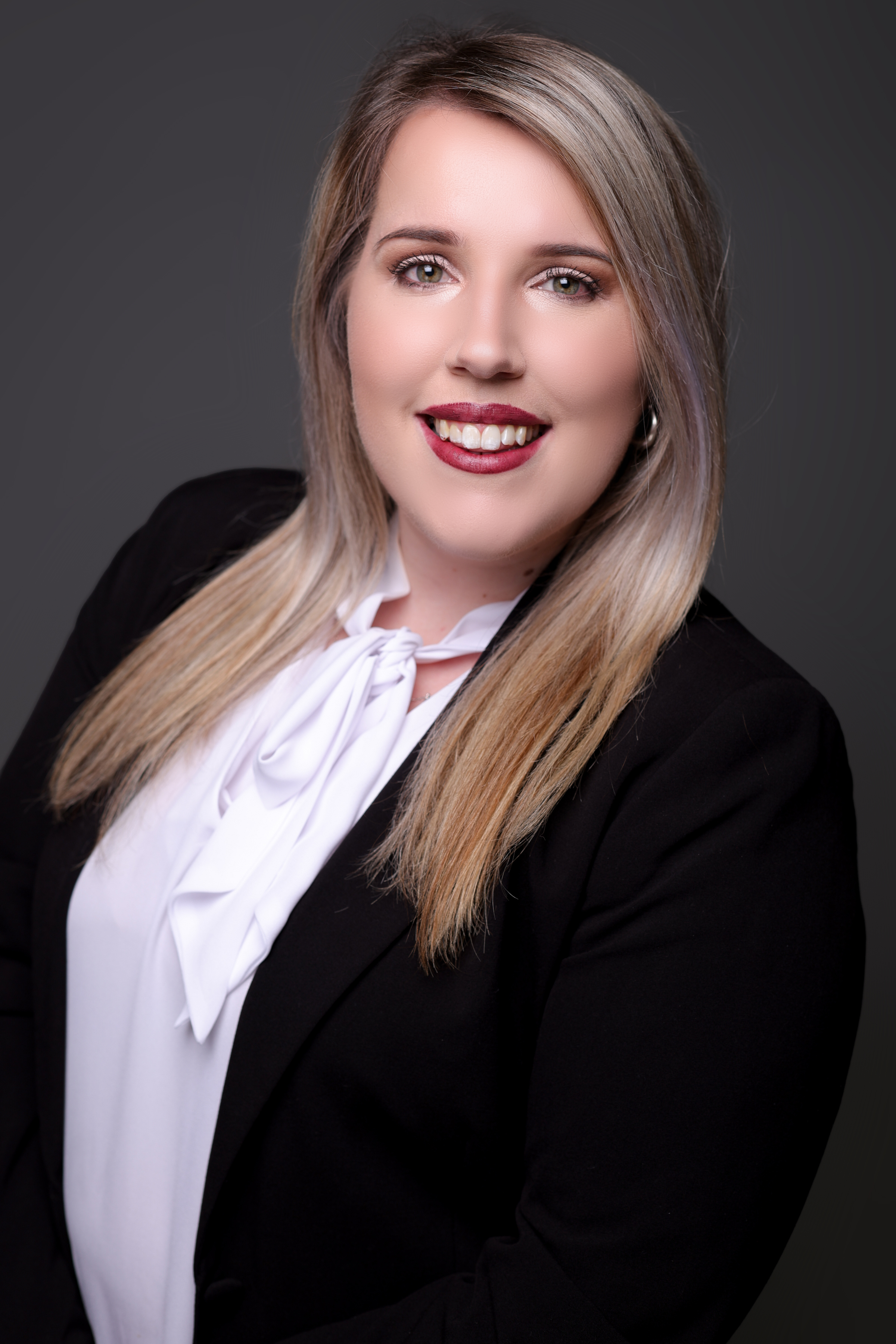
Elizabeth Kotze is an Associate Attorney & Head of the Deceased Estate Department at Elliott Maris Attorneys. She holds an LLB (NWU), Adv Dip in Estate and Trust Administration (UFS), and Fiduciary Practitioner of South Africa (FPSA®). Elizabeth is a Gawie le Roux Institute of Law alumna and attended the Attorneys’ admission exam courses and the Administration of deceased estates workshop.
This blog was last updated on 02/10/2025.