


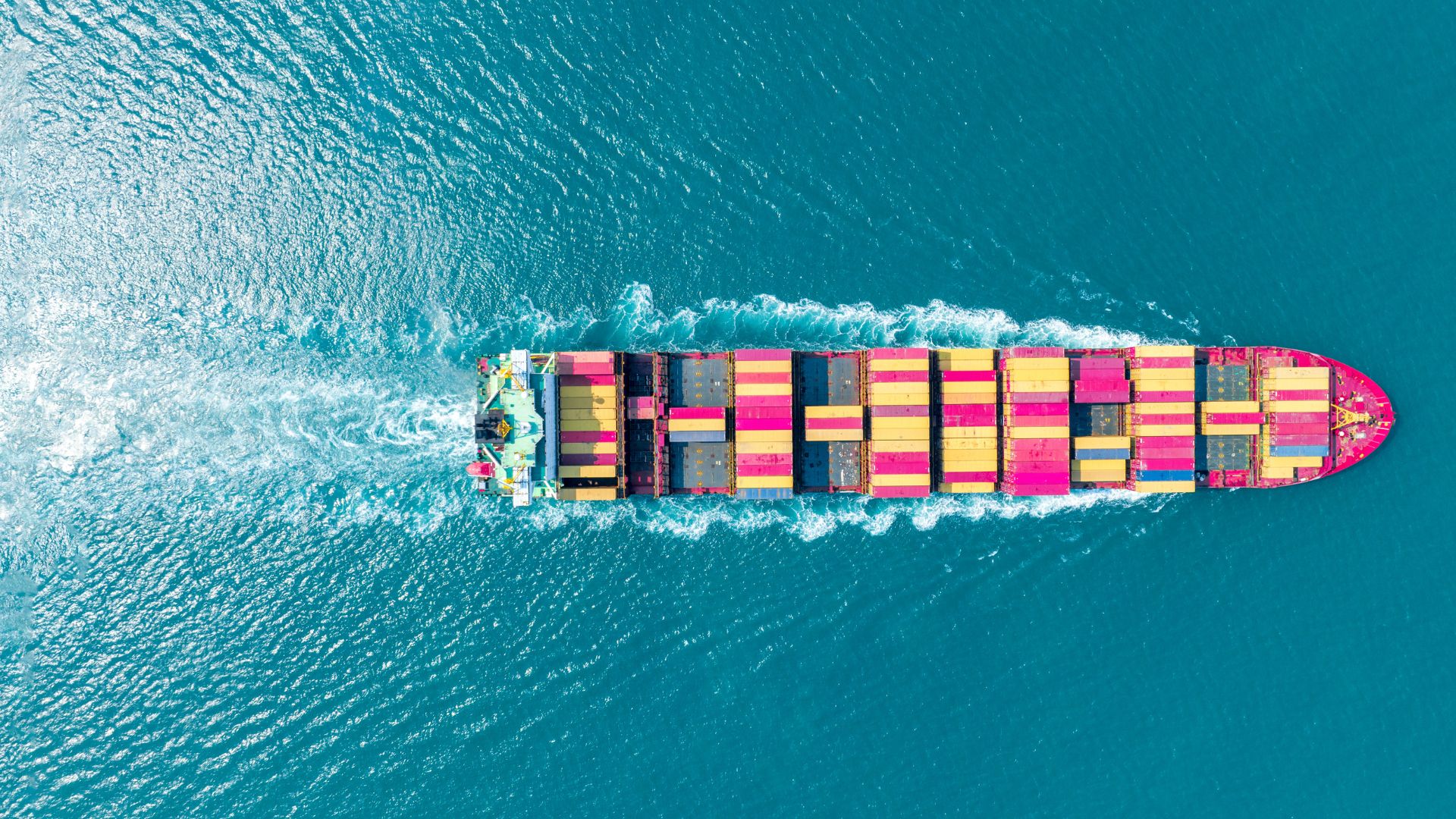
South Africa sits astride one of the world's busiest sea lanes at the Cape of Good Hope. Every day, tankers, container ships, fishing vessels, and offshore support crafts traverse our waters, carrying risk, regulation and opportunity in equal measure. Maritime law is the body of rules that organises this activity. It blends international conventions with South Africa's own statutes and court-made doctrines to govern everything from cargo damage and ship collisions to port access, pollution, salvage and marine insurance. In short, maritime law turns ocean commerce into something predictable and enforceable.
What is maritime law?
Maritime law (often called "admiralty law") governs private maritime activity, carriage of goods by sea, charterparties, collisions, salvage, general average, maritime liens, marine insurance, and related disputes. It's distinct from, but closely connected to, the "law of the sea," which sets public-law boundaries (territorial sea, exclusive economic zone, high seas) and allocates state responsibilities under treaties like UNCLOS. Practically, South African shipping disputes are heard in our High Courts exercising admiralty jurisdiction, and resolved through a mix of litigation, arbitration and urgent applications (often at short notice) to secure ships, cargo or security claims.
Key building blocks of South Africa's maritime law
South Africa's framework is statute-heavy and court-driven. Core instruments include:
- Admiralty Jurisdiction Regulation Act, 105 of 1983 (AJRA): The procedural backbone. It vests admiralty powers in the High Courts, defines maritime claims, permits actions in rem and in personam, and provides for urgent security arrests (including of "associated ships," a uniquely South African feature).
- Merchant Shipping Act, 57 of 1951: The foundational safety/registration code for ships, crews and operations, supplemented by detailed regulations (including maritime security rules aligned with the ISPS Code).
- Carriage of Goods by Sea Act, 1 of 1986 (COGSA): Gives force to the Hague-Visby Rules for bills of lading and, as recent litigation highlights, shapes jurisdiction for inbound cargo claims.
- Wreck and Salvage Act, 94 of 1996: Governs reporting, control and rewards for salvage operations and wrecks.
- Marine Pollution (Control and Civil Liability) Act, 6 of 1981: Creates obligations and liabilities for oil and harmful-substance pollution at sea.
- Marine Living Resources Act, 18 of 1998: Regulates fishing, quotas and conservation.
- National Ports Act, 12 of 2005: Establishes the National Ports Authority and Ports Regulator and sets the licensing/port access regime.
- SAMSA Act, 5 of 1998: Establishes the South African Maritime Safety Authority (SAMSA), the national safety regulator and flag/port state control body.
What makes South African maritime law distinctive?
Two features regularly surprise foreign parties:
- Associated ship arrests: If a claim arises "against" one ship (the "guilty ship"), a claimant can arrest an associated ship, for example, a sister ship, owned or controlled by the same interests, to secure or enforce the claim. This is expressly authorised by AJRA and is rare internationally. Recent cases confirm courts' readiness to examine ownership/control to uphold these arrests.
- Pragmatic jurisdiction control: South African courts respect jurisdiction and arbitration clauses, but they retain statutory discretion to keep related parties before the court and to reduce multiplicity of proceedings. A 2025 analysis highlights how our courts may allow local cargo interests to sue in South Africa for inbound shipments despite an exclusive foreign jurisdiction clause in a bill of lading, an effect traced to section 3(1) of COGSA. That approach diverges from the stricter English stance and is important when drafting bills, marine insurance and charterparty clauses.
The purpose of maritime law in South Africa
The system aims to:
- Enable trade by making rights and remedies predictable for carriers, cargo interests, lenders and insurers.
- Protect life, property and the environment through safety rules, casualty response and pollution liabilities.
- Safeguard national and local interests in ports and coastal waters while coordinating with international standards and regional security initiatives.
- Provides fast, practical remedies, like ship arrests, to ensure claims are heard on the merits rather than lost to asset flight.
Institutions and players you'll meet
- SAMSA oversees safety, surveys, incident investigations, and coordinates with the Maritime Rescue Co-ordination Centre.
- Transnet National Ports Authority (TNPA) regulates access, tariffs and licensing within commercial ports under the National Ports Act.
- Courts exercising admiralty jurisdiction (primarily in Cape Town, Durban and Gqeberha) hear urgent maritime applications and trials.
- DFFE, SAPS, SARS Customs and the Navy intersect on environmental, enforcement and security issues.
A day in the life: what maritime lawyers do
Maritime law practice is both commercial and crisis-driven. Lawyers draft and negotiate charterparties, bills of lading, marine insurance policies and port/terminal agreements; advise on sanctions, pollution and compliance; and coordinate casualty responses (groundings, collisions, fires, spills). Litigation and arbitration revolve around cargo damage, demurrage, bunker disputes, collisions, salvage/LOF claims, general average, and policy coverage fights. Security or in rem arrests can be obtained on short notice to secure claims, including against associated ships where the statute allows.
Conclusion
South Africa's maritime law framework is practical, remedies-focused and increasingly sophisticated about jurisdiction, security and environmental accountability. If you contract, finance, insure, operate or litigate around ships calling our ports, get your documents ship-shape with clauses tailored to South African statutes and court practice.
Keen to deepen your capability? The Gawie le Roux Institute of Law offers practical courses that transform complex legal concepts into confident, real-world action. Enrol to navigate South African law with clarity in your career.
FAQs
What is maritime law?
It's the body of private law that governs shipping and seaborne commerce: carriage of goods by sea, ship arrests, collisions, salvage, marine insurance, charterparties and related disputes. In South Africa, it's anchored by the Admiralty Jurisdiction Regulation Act, Merchant Shipping Act, COGSA and other specialist statutes, applied by our High Courts exercising admiralty jurisdiction.
How much do maritime lawyers earn in South Africa?
Compensation varies widely by location (Cape Town/Durban), firm size, client base and years of post-qualification experience. Entry-level roles pay substantially less than mid-level specialists, while seasoned partners and recognised litigators can command premium, often seven-figure rand packages tied to practice profitability. (Exact figures fluctuate with market demand and technical expertise.)
Where to study maritime law in South Africa?
Specialist coursework is available at UKZN (LLM in Maritime Law) and UCT (LLM streams including Marine & Environmental Law and Shipping Law). Short courses also pop up via local universities and industry bodies.
Which country is best for maritime law?
Several jurisdictions are globally influential. England & Wales remains dominant for charterparties and bills of lading (London is home to the LMAA and many P&I Clubs). Singapore is another major hub with the SCMA and a strong shipping ecosystem. South Africa is a respected venue for African trade routes, especially for urgent arrests, cargo disputes, and African oil and gas supply chains.
This blog was last updated on 27/08/2025